
If left untreated, an ingrown toenail can lead to more serious concerns, such as an infection. Knowing proper nail care can help in the prevention of an ingrown toenail. Give us a call, and get treated!
If left untreated, an ingrown toenail can lead to more serious concerns, such as an infection. Knowing proper nail care can help in the prevention of an ingrown toenail. Give us a call, and get treated!
 Those who are living with diabetes may be more likely to experience poor circulation in their feet. Poor circulation can lead to a number of foot complications including neuropathy and peripheral artery disease. There are, however, a few things you can do to better prevent poor circulation. Resisting smoking is a good way to reduce your likelihood of having poor circulation, since smoking makes arteries harden faster. Maintaining healthy blood pressure and cholesterol levels may also assist in reducing poor circulation. It is additionally recommended to practice an exercise routine, as exercise helps to stimulate blood flow. Because poor circulation can lead to more severe foot complications, it is recommended that you consult with a podiatrist for a proper diagnosis and advice on treatment options.
Poor circulation is a serious condition and needs immediate medical attention. If you have any concerns with poor circulation in your feet contact one of our podiatrists of Westside Podiatry Center, LLP. Our doctors will treat your foot and ankle needs.
Poor Circulation in the Feet
Poor blood circulation in the feet and legs is can be caused by peripheral artery disease (PAD), which is the result of a buildup of plaque in the arteries.
Plaque buildup or atherosclerosis results from excess calcium and cholesterol in the bloodstream. This can restrict the amount of blood which can flow through the arteries. Poor blood circulation in the feet and legs are sometimes caused by inflammation in the blood vessels, known as vasculitis.
Causes
Lack of oxygen and oxygen from poor blood circulation restricts muscle growth and development. It can also cause:
Those who have diabetes or smoke are at greatest risk for poor circulation, as are those who are over 50. If you have poor circulation in the feet and legs it may be caused by PAD and is important to make changes to your lifestyle in order to reduce risk of getting a heart attack or stroke. Exercise and maintaining a healthy lifestyle will dramatically improve conditions.
As always, see a podiatrist as he or she will assist in finding a regimen that suits you. A podiatrist can also prescribe you any needed medication.
If you have any questions, please feel free to contact one of our offices located in Liverpool, Camillus, Skaneateles, Oswego, and Cicero, NY . We offer the newest diagnostic and treatment technologies for all your foot care needs.
 Bunions can arise for a number of different reasons. Some factors that may lead to one getting a bunion include inheriting a bunion tendency, commonly wearing ill-fitting shoes such as high heels, and having rheumatoid arthritis. Other reasons may include birth deformities as well as foot stresses or injuries. A bulging, bony bump on the base of the big toe is a key indicator that you might have a bunion. Along with having a bony bump, swelling, redness, and soreness are additional symptoms that may come with this foot condition. Corns or calluses may also form due to the toes rubbing against each other. If you are experiencing continuous foot pain or decreased mobility of your big toe, we recommend you meet with a podiatrist for a proper diagnosis and advised treatment plan.
If you are suffering from bunion pain, contact one of our podiatrists of Westside Podiatry Center, LLP. Our doctors can provide the care you need to keep you pain-free and on your feet.
What Is a Bunion?
Bunions are painful bony bumps that usually develop on the inside of the foot at the joint of the big toe. As the deformity increases over time, it may become painful to walk and wear shoes. Women are more likely to exacerbate existing bunions since they often wear tight, narrow shoes that shift their toes together. Bunion pain can be relieved by wearing wider shoes with enough room for the toes.
Causes
Symptoms
In order to diagnose your bunion, your podiatrist may ask about your medical history, symptoms, and general health. Your doctor might also order an x-ray to take a closer look at your feet. Nonsurgical treatment options include orthotics, padding, icing, changes in footwear, and medication. If nonsurgical treatments don’t alleviate your bunion pain, surgery may be necessary.
If you have any questions, please feel free to contact one of our offices located in Liverpool, Camillus, Skaneateles, Oswego, and Cicero, NY . We offer the newest diagnostic and treatment technologies for all your foot care needs.
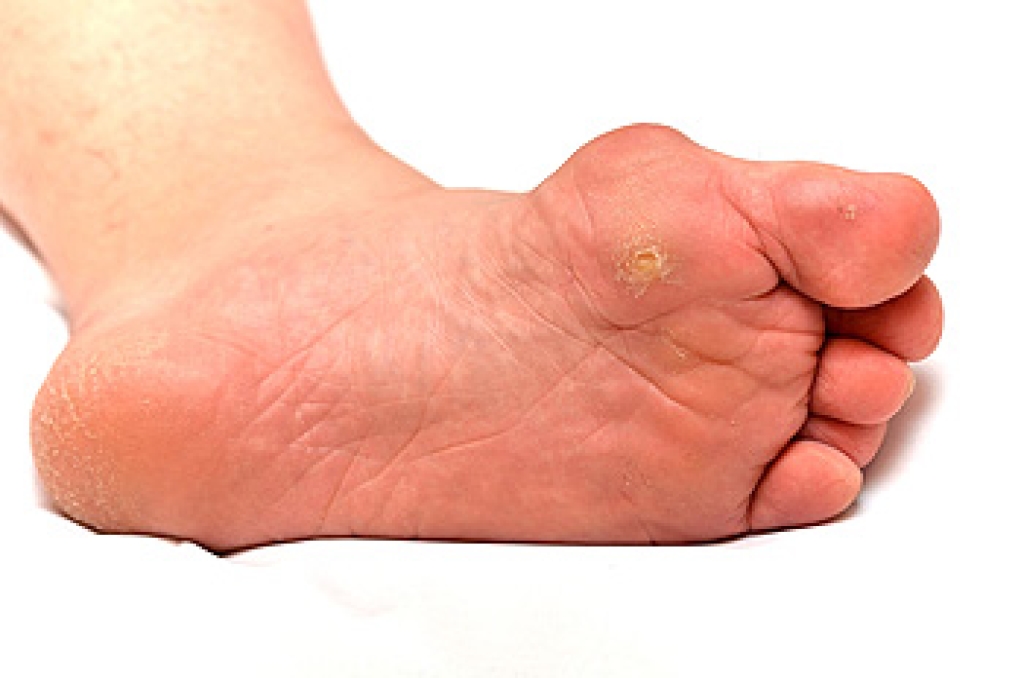
Corns are hardened layers of skin that take the form of a yellow-colored bump, most commonly found on the side or bottom of one’s feet. Corns are often sensitive to the touch and may cause pain when wearing shoes. They normally form due to improper footwear that provides little space for your feet, and commonly affect those who walk or stand for long periods of time. To remove a corn, we recommend you seek professional care from a podiatrist who can treat your condition and alleviate your pain.
If you have any concerns regarding your feet and ankles, contact one of our podiatrists of Westside Podiatry Center, LLP. Our doctors will treat your foot and ankle needs.
Corns: What Are They? and How Do You Get Rid of Them?
Corns can be described as areas of the skin that have thickened to the point of becoming painful or irritating. They are often layers and layers of the skin that have become dry and rough, and are normally smaller than calluses.
Ways to Prevent Corns
There are many ways to get rid of painful corns such as wearing:
Treating Corns
Treatment of corns involves removing the dead skin that has built up in the specific area of the foot. Consult with Our doctors to determine the best treatment option for your case of corns.
If you have any questions, please feel free to contact one of our offices located in Liverpool, Camillus, Skaneateles, Oswego, and Cicero, NY . We offer the newest diagnostic and treatment technologies for all your foot care needs.
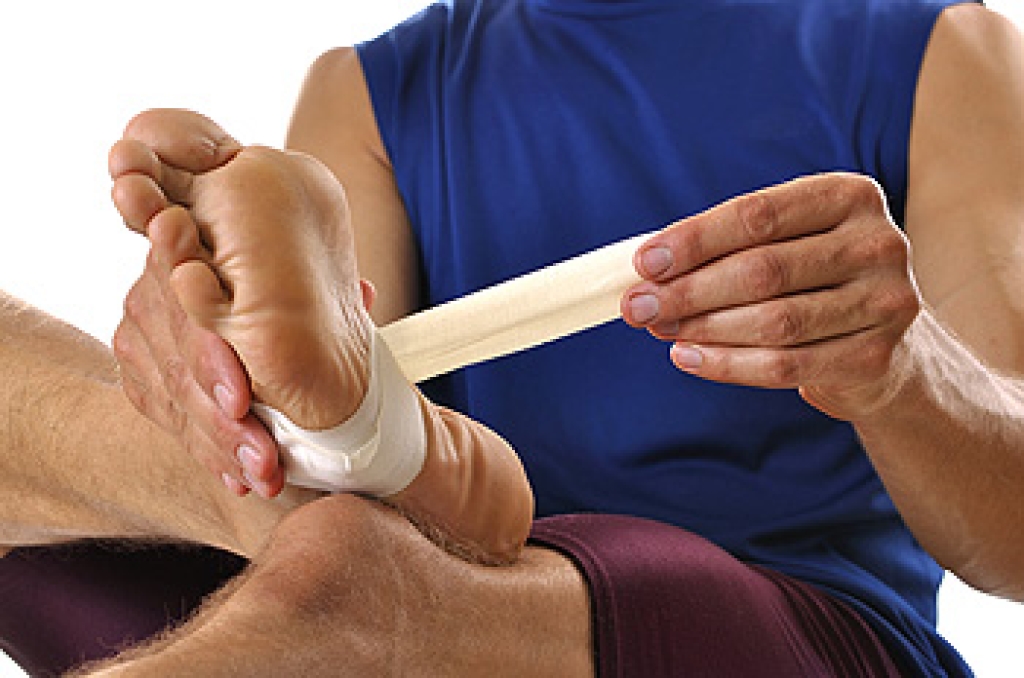 Wounds on the feet are common in diabetic patients. Many patients may have difficulty in feeling any discomfort on their feet, which may be a result of neuropathy. It is important to inspect your feet daily if you are diabetic, so any cuts, scrapes, or bruises can be promptly treated. A sore on the foot may lead to a foot ulcer. This is a type of wound that can possibly lead to amputation and must be diagnosed and treated correctly. Some of the symptoms that are associated with this type of wound can consist of a foul odor emanating from the area, swelling, and it is often painful when walked on. It is beneficial to properly clean the wound, apply the correct dressing, and wear shoes that have ample room for the entire foot. If you are afflicted with diabetes, and have developed a foot ulcer, it is strongly suggested that you are under the care of a podiatrist who can help you to manage your condition.
Wound care is an important part in dealing with diabetes. If you have diabetes and a foot wound or would like more information about wound care for diabetics, consult with one of our podiatrists from Westside Podiatry Center, LLP. Our doctors will assess your condition and provide you with quality foot and ankle treatment.
What Is Wound Care?
Wound care is the practice of taking proper care of a wound. This can range from the smallest to the largest of wounds. While everyone can benefit from proper wound care, it is much more important for diabetics. Diabetics often suffer from poor blood circulation which causes wounds to heal much slower than they would in a non-diabetic.
What Is the Importance of Wound Care?
While it may not seem apparent with small ulcers on the foot, for diabetics, any size ulcer can become infected. Diabetics often also suffer from neuropathy, or nerve loss. This means they might not even feel when they have an ulcer on their foot. If the wound becomes severely infected, amputation may be necessary. Therefore, it is of the upmost importance to properly care for any and all foot wounds.
How to Care for Wounds
The best way to care for foot wounds is to prevent them. For diabetics, this means daily inspections of the feet for any signs of abnormalities or ulcers. It is also recommended to see a podiatrist several times a year for a foot inspection. If you do have an ulcer, run the wound under water to clear dirt from the wound; then apply antibiotic ointment to the wound and cover with a bandage. Bandages should be changed daily and keeping pressure off the wound is smart. It is advised to see a podiatrist, who can keep an eye on it.
If you have any questions please contact one of our offices located in Liverpool, Camillus, Skaneateles, Oswego, and Cicero, NY . We offer the newest diagnostic and treatment technologies for all your foot and ankle needs.
Connect With Us
